September to November:
We have taken our time to conceive ideas for how the website should theoretically function, the artistic vision for how the website would eventually look and finally, how we would put our foot forward and make our vision a reality.
November and december:
We have started the art for the website with the help of an artist and we have started understanding how to code the buttons that we will need to use to navigate the website and the popups that contain the information.
January:
We have finished the art, and we have put it on the site, the buttons are now perfectly placed, and we are only waiting on all the writing for everything to be wrapped up and ready to go on air.
Journal 1:
First day of conception, we underline important elements such as the game pieces, objectives linked to our optimal game strategy as well as size constraints before dividing the elements of our designs to individuals who can focus their attention. We outsourced many of the more delicate 3D designs to our specialist (Tristan) as I focused on the mechanics of the base due to the fact I had the most experience in base building.
Journal 2:
As base builder, I determined that the best way resolve issues from the previous years in terms of base functionality and reliability was to have a double sided mount utilising a keyed shaft coupler to extend the motor's stock shaft to be able to hold the wheel as well as a bearing to the opposing t-slot.
Journal 3:
During the process we made the crucial realisation that the method in which we planned on placing the robot's components would no longer be possible due to a change in gearboxes and would thus have to change the placements of the motors and thus the wheels to be offset. We then determined that this would require kinematics in order to correctly correct for this design change.
September to October:
From our first meeting with the club, we collectively chose a theme. The theme we chose being the nature of British Columbia, since that's what our province is known for. Over the next few meetings, we planned what we were going to build and display on the walls. We also created a list of animals that live in B.C. Once we were satisfied, we determined the dimensions of our elements so we could start making them.
November to December:
Once we had our measurements, we started building our individual elements. Some of us started with the trees, the rest began the wood-burning oven since those are two of the most important elements. We painted the trees on green cardstock, choosing Western Red Cedar since it's the most common tree in B.C. Then we cut out the shape of a carton oven and decided to paint paper plates grey to give the appearance of rock. Then one of our members creates origami based on the animals we've chosen.
January to February:
Some of us continued with the creation of the trees, as this is a central part of our kiosk. Then the others went to start building our mountains, as this is also a focus point of our kiosk. We cut them out of plastic paper, then manipulated them to give them a mountain-like shape. Then we painted them gray and added details. One challenge that kiosk has had throughout the year is that since we're only three members, we're moving slowly so we don't have the chance to do everything we wanted.
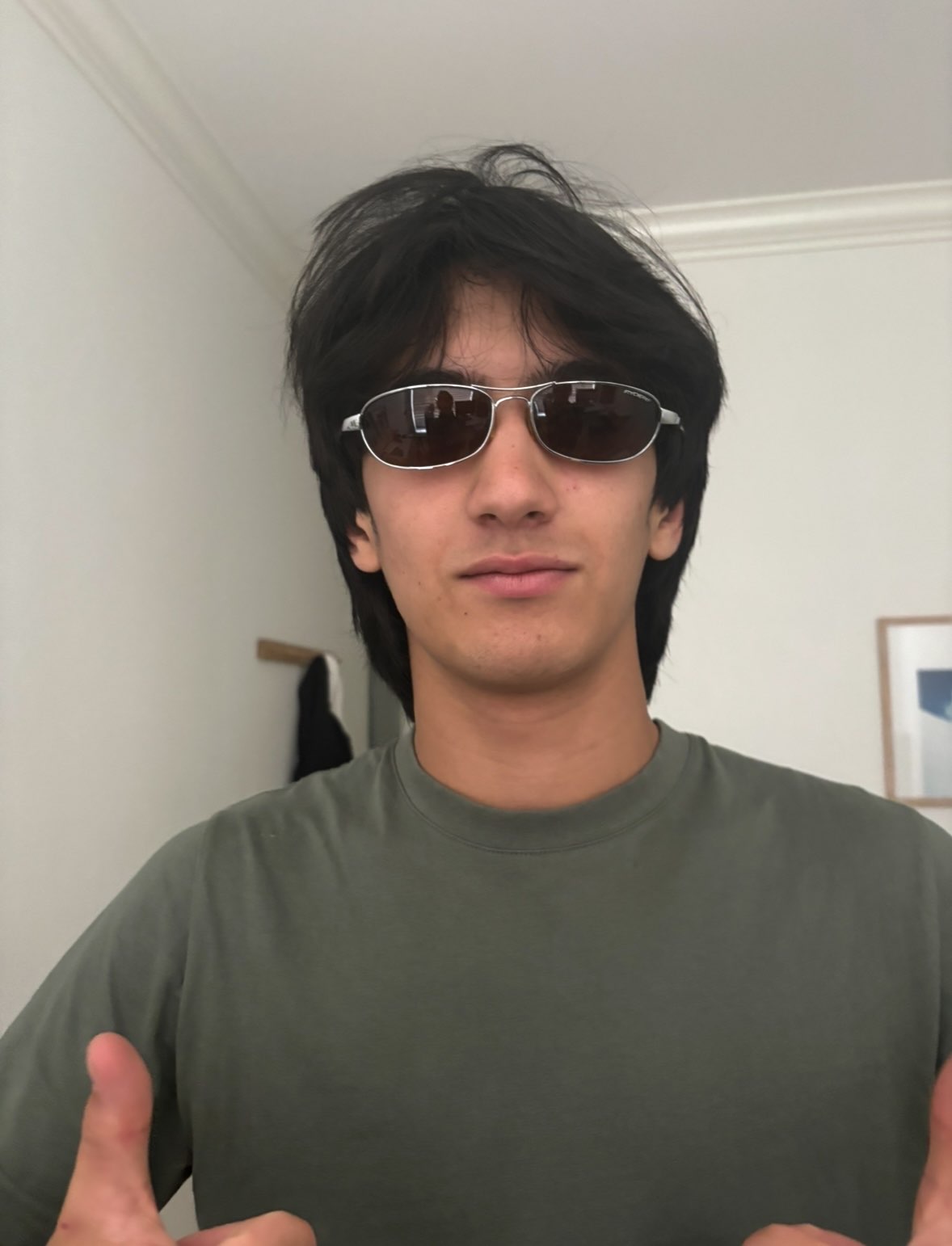
Luke
Coding & Tutorial
Programmation et Tutoriel
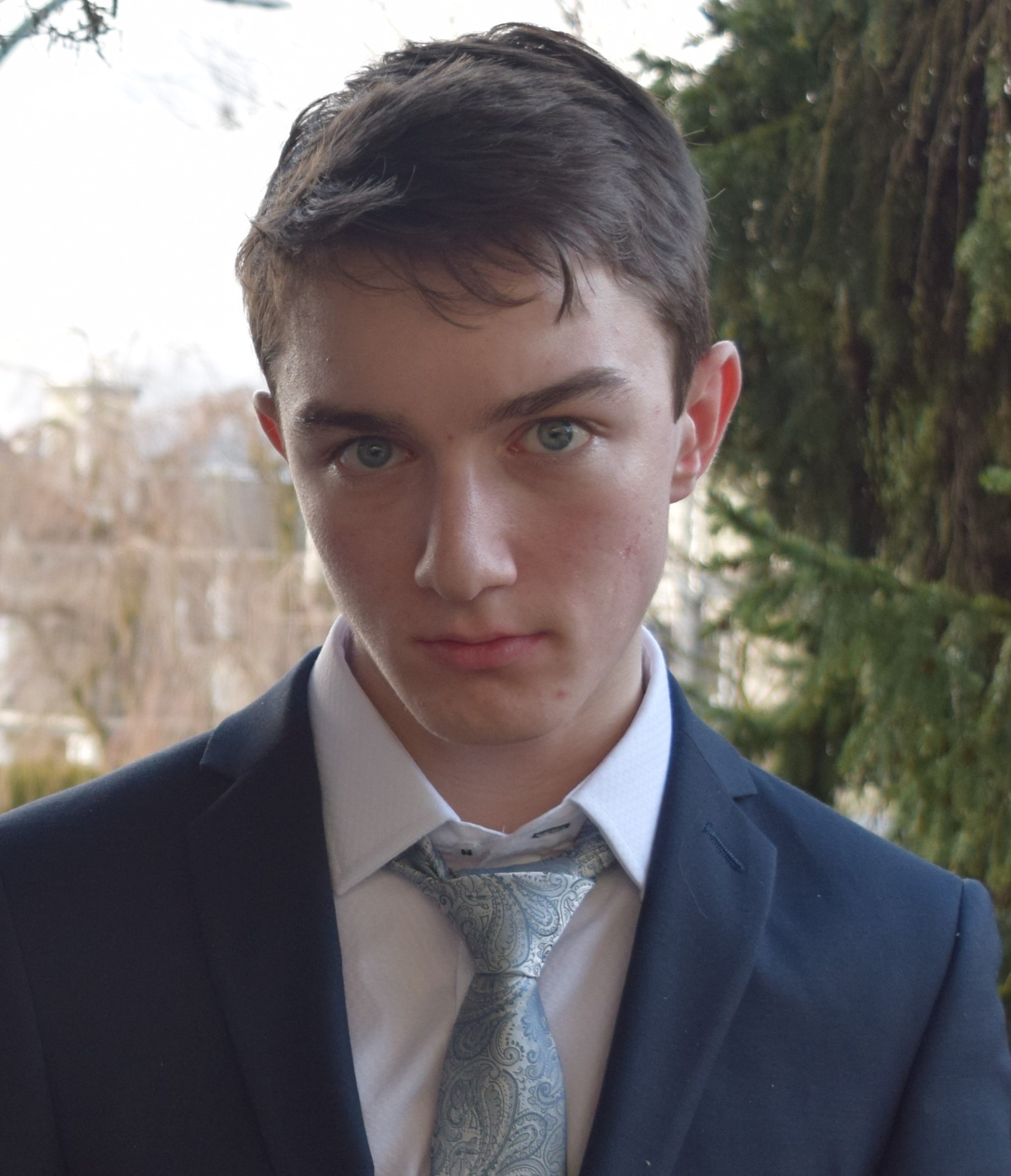
Julien
Coding & Website
Programmation et Site web
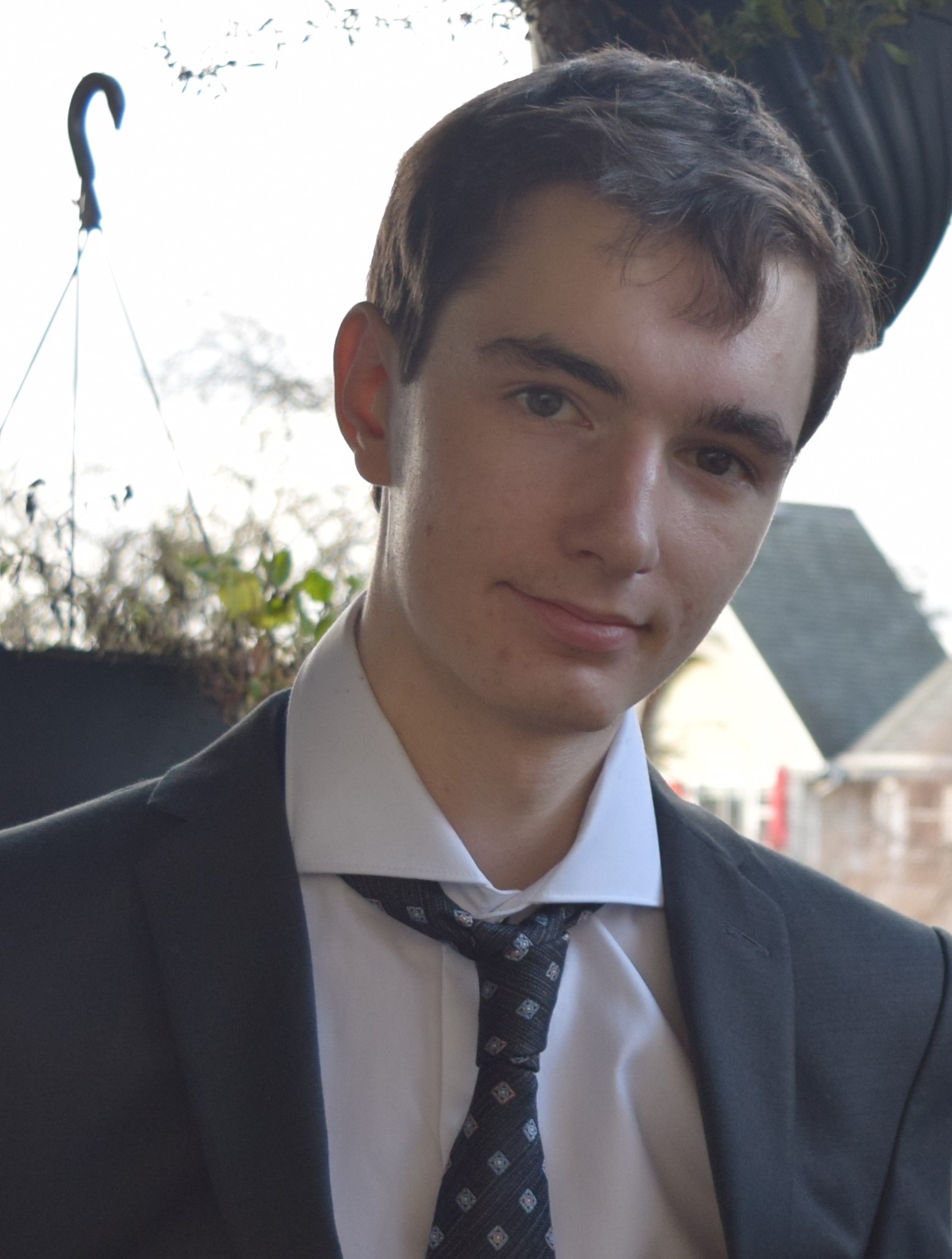
Alec
Coding & Website
Programmation et Site web
Makonnen
Website
Site web
Matthew
Coding
Programmation
Winter
Coding
Programmation

Ellie
Coding
Programmation
Remi
Robot

Emil
Robot
Joshua
Robot
Nao
Robot
Tristan
Robot
Yanis
Robot
Elliot
Kiosk
Kiosque
Victor
Kiosk
Kiosque
Lola
Kiosk
Kiosque
Clement
Kiosk
Kiosque
Ava
Kiosk & Administration
Kiosque & Administration
Orgil
Administration/Teacher
Administration & Enseignant
Chantal
Administration/Teacher
Administration & Enseignante
Alaia
Film
Johnny
Film
Leonard
Film
Matilda
Film
Sami
Film
The competition
CRC competition is a yearly event hosted in Montreal, Canada. During which, various high school, CEGEPs, and elementary school teams compete. This year the competition is called TAKTIK 2025. To complete all pre-tasks and be ready for the competition, our robotic club has been divided into 4 teams, The kiosk Team oversees preparing the kiosk, decorating it and sharing the theme with the other groups The Robot Team must make sure our robot is ready on time, as it will participate in the CRC competition and play in the game. The film Team makes a tutorial to explain a subject and creates a video explaining the theme we chose. Then, the Programming Team is in charge of making this website as well as doing some programming on the day of the event. Almost 2 weeks before the event is the submission deadline, so the website, video and tutorial need to be completed. Then, on the day of the event, our robot will participate in a game, which will be revealed on the day of the competition. There will be a goal to reach and rules to follow.
The game
The game is similar to tik tac toe. The robots add plastic rings on to different squares and the team that has the most rings gains that square. This year, robots can start in 1 or 2 starting zones of their colour. It is a game 2 against 2, there is a blue and a yellow team. This year, robots can start in 1 of 2 starting zones of their colour on a huge playing field
We are the robotics group of École Secondaire Jules-Verne, our school is part of the Conseil Scolaire Francophone (CSF). Our school is the only one that participate in the CRC competition.
Our club has been in existence for several years now, it is managed by students only and founded mainly by fundraisers put in place by us. We use the money raised to purchase all materials needed and to finance our trip of 3,680 km across Canada.

Jules-Verne
Sponsor

Conseil Scolaire Francophone
Sponsor
APE Jules-Verne
Sponsor